Step 1: Stay Informed
Pay attention to updates from local authorities and emergency responders regarding the possibility of aftershocks.
Listen to radio broadcasts, check official social media channels, or use emergency alert apps for the latest information.

Step 2:Understand Aftershocks
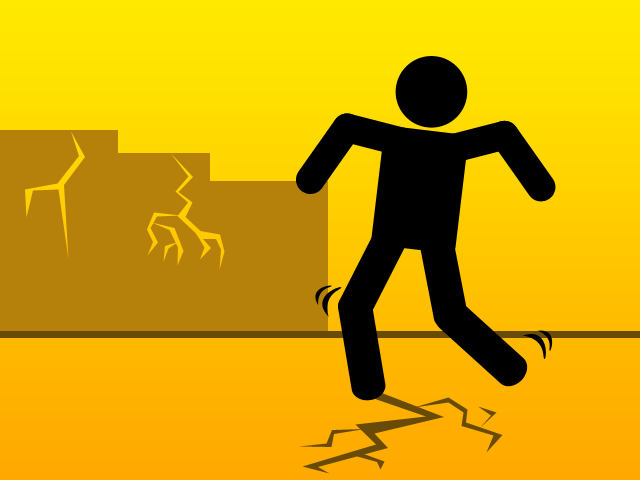
Learn about what aftershocks are and how they occur. Aftershocks are smaller earthquakes that follow the main earthquake and can occur minutes, hours, days, or even weeks afterward.
While aftershocks are usually weaker than the main quake, they can still cause additional damage and pose a risk to safety.

Step 3: Expect Aftershocks
Anticipate that aftershocks may occur following an earthquake.
Mentally prepare yourself and others for the possibility of continued shaking and aftershock sequences.
Step 4: Stay Indoors
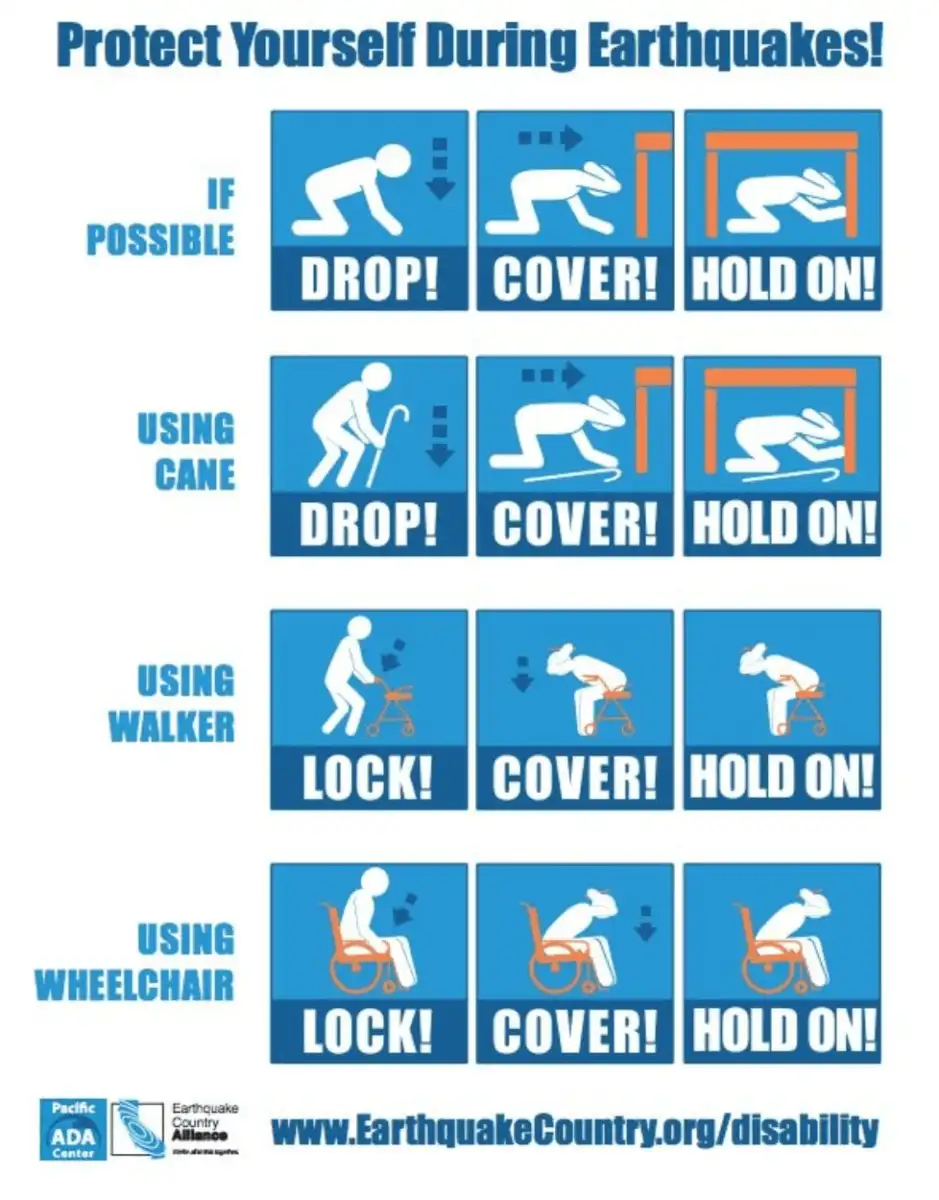
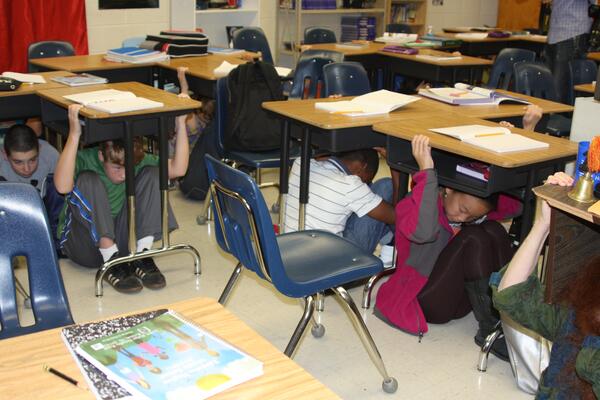
If you are indoors when an aftershock occurs, stay indoors and take cover under a sturdy piece of furniture or against an interior wall.
Remember to "Drop, Cover, and Hold On" until the shaking stops.
Step 5: Avoid Hazardous Areas
Stay away from potential hazards such as windows, glass doors, heavy furniture, or shelves that may collapse during aftershocks.
Move to a safer location if necessary, away from potential falling objects.
Step 6: Check for Damage
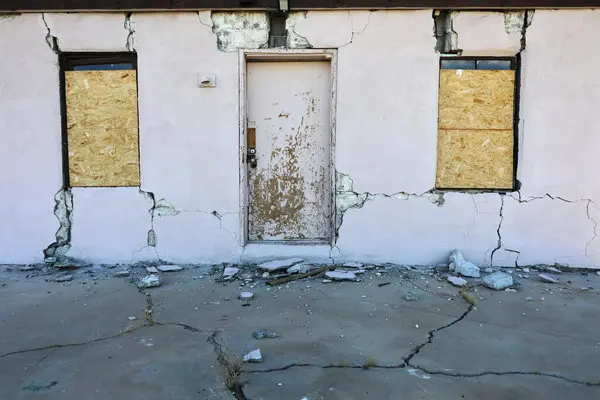
After the main earthquake, assess your surroundings for any damage or hazards that may have occurred. Look for structural damage, cracks in walls or ceilings, and any other signs of instability.
If you notice any new hazards, take steps to mitigate them if it is safe to do so.
Step 7: Secure Loose Items
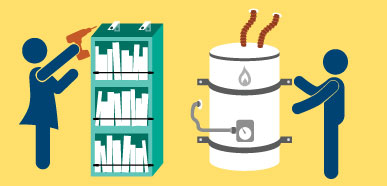
Secure or relocate any loose items that could fall or become projectiles during aftershocks.
This includes securing bookshelves, cabinets, appliances, and other objects that could pose a risk.
Step 8: Be Prepared to Evacuate
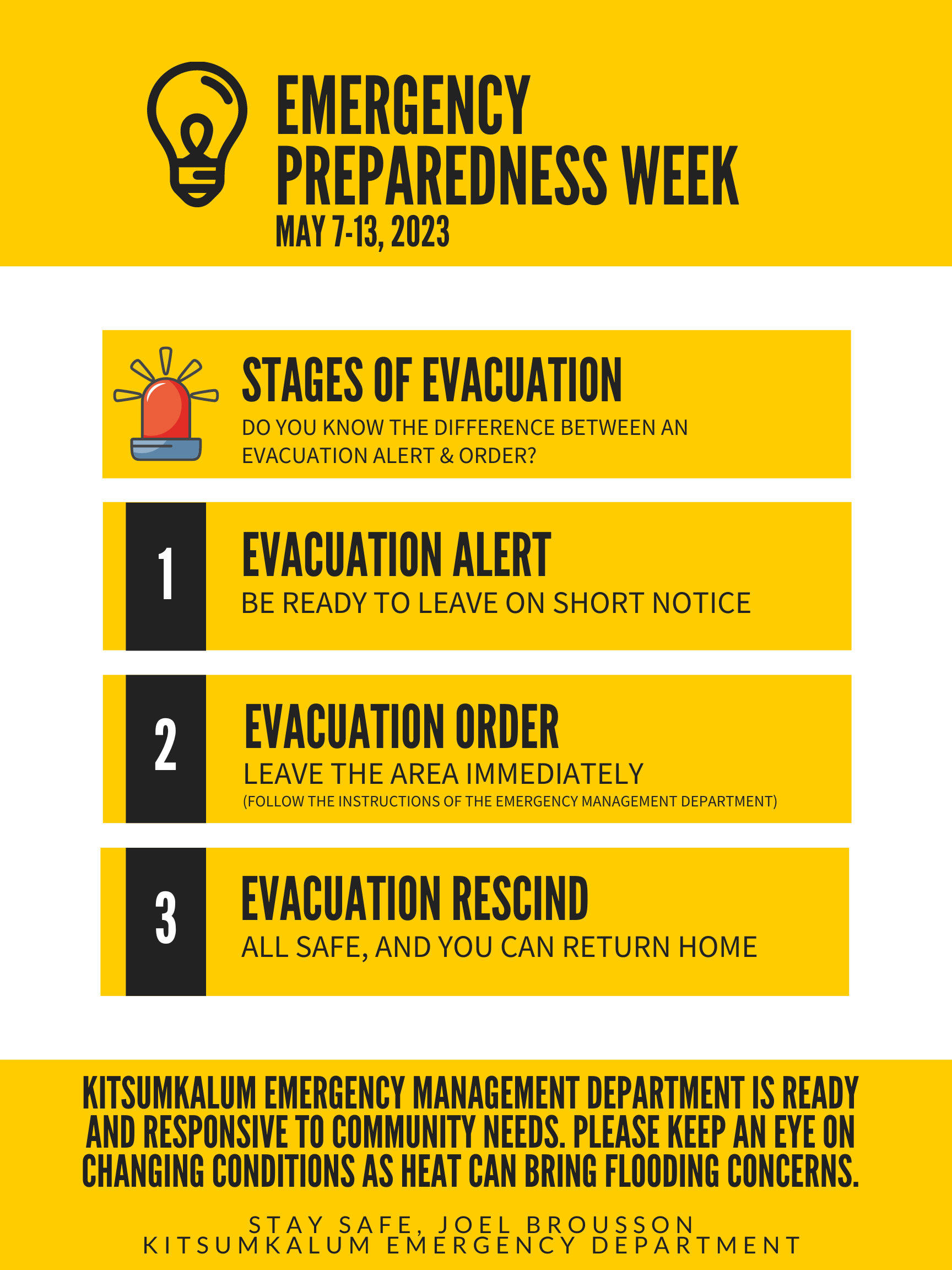
Have a plan in place for evacuating the building or area if necessary, especially if you notice new hazards or if the situation becomes unsafe.
Follow evacuation routes and instructions provided by authorities.
Step 9: Stay Calm
Have a plan in place for evacuating the building or area if necessary, especially if you notice new hazards or if the situation becomes unsafe.

Step 10: Review Emergency Procedures
Review emergency procedures and protocols for aftershocks with your classmates, friends, and family members.
Make sure everyone knows what to do and where to go in case of aftershocks.