Step 1: Pay Attention to Announcements
Listen for announcements or instructions from teachers, administrators, or other school staff regarding upcoming fire drills.
Pay attention to the date and time of the drill so you can be prepared.
Step 2:Take Drills Seriously
Treat fire drills as if they were real emergencies.
While the fire alarm may be a simulation, the procedures and actions you take during the drill should mirror what you would do in an actual fire situation.

Step 3: Know the Evacuation Routes.
Familiarize yourself with the designated evacuation routes for your location within the building.
Pay attention to exit signs, emergency exit doors, and posted evacuation route maps in classrooms and hallways
Step 4: Stay Calm and Follow Instructions
Remain calm and follow the instructions provided by your teacher, school staff, or designated fire wardens during the drill.
Stay quiet and listen carefully to ensure you understand what to do.
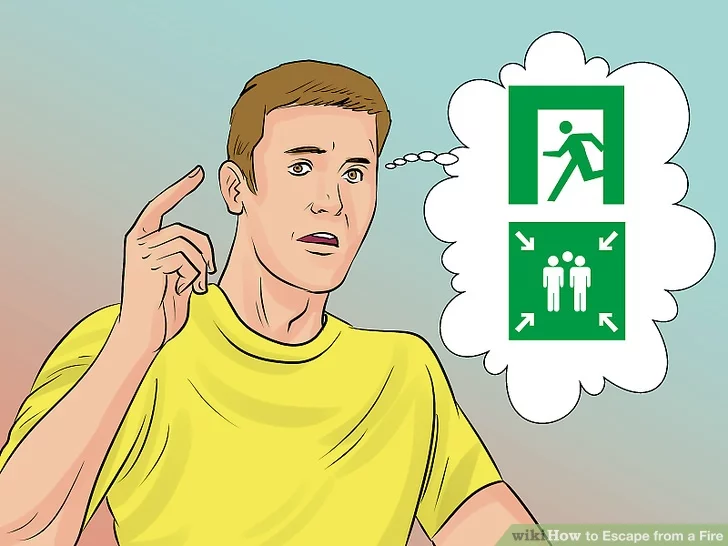
Step 5: Leave Immediately and orderly
When the fire alarm sounds, leave the building immediately and in an orderly fashion. Do not delay or stop to gather belongings.
Exit the building quickly using the nearest safe exit route.

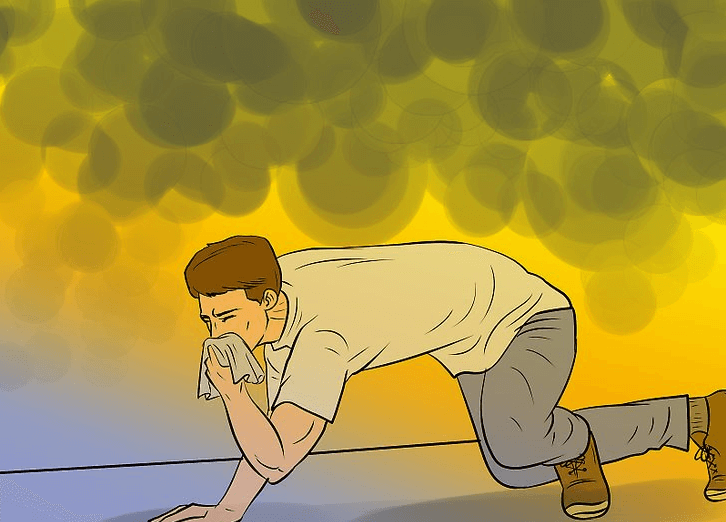
Step 6: Stay Low if There's Smoke
If you encounter smoke during evacuation, stay low to the ground where the air is cleaner and crawl if necessary to reach the nearest exit.
Cover your nose and mouth with a cloth to minimize inhalation of smoke or fumes.
Step 7: Use Stairs, Not Elevators
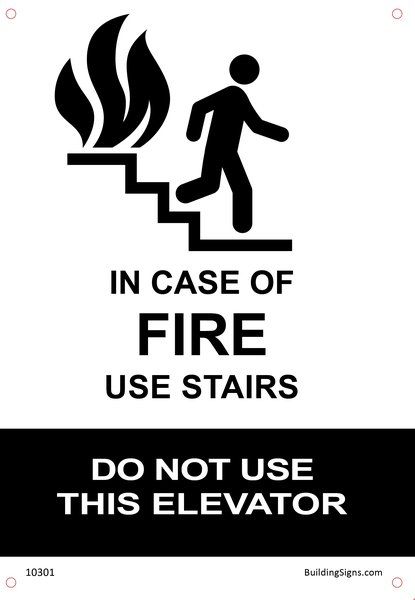
Never use elevators during a fire drill or actual fire emergency.
Use stairwells to evacuate the building, as elevators may become inoperable or trap occupants during a fire.
Step 8: Account for Everyone.
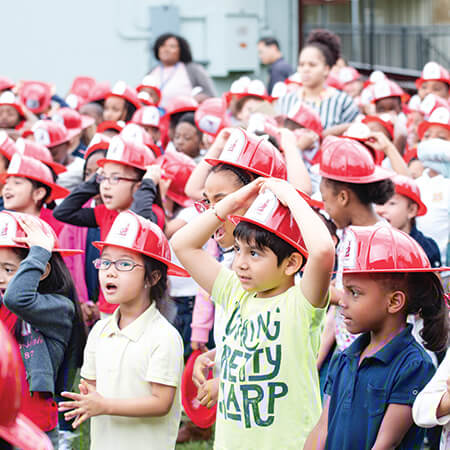
Once outside the building, move to the designated assembly point or meeting area where attendance can be taken.
Ensure that everyone from your class or group is accounted for and report any missing individuals to school staff
Step 9: Remain Outside Until Cleared
Do not re-enter the building until authorized to do so by school staff or emergency responders.
Stay at the assembly point until you receive further instructions or until the all-clear signal is given.

Step 10: Reflect on the Drill
After the fire drill, take a moment to reflect on your experience and discuss any observations or feedback with your classmates and teachers.
Identify areas for improvement and consider how you can better prepare for future drills or real emergencies.